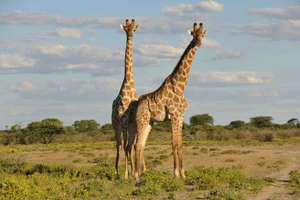
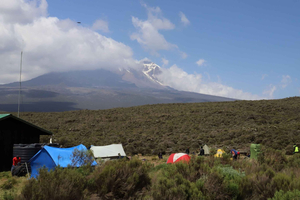
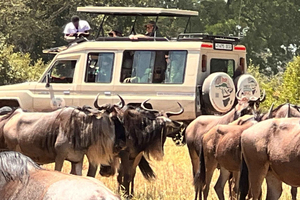
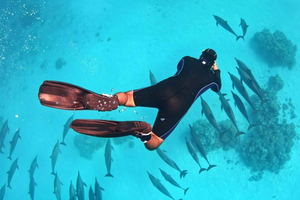
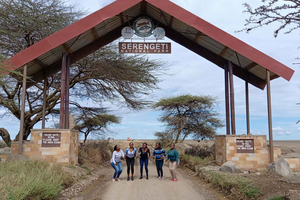
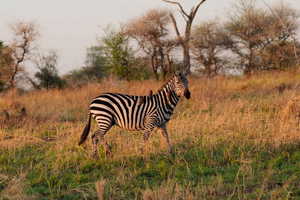
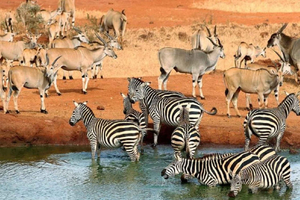
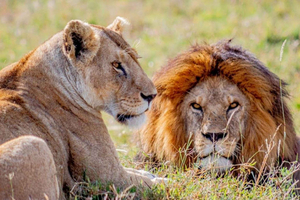
Tanzania’s wildlife isn’t just seen, it’s felt,like the buzz in the air when lions call at night or the ground trembles with roaming elephants. Most folks head to the Serengeti for that classic safari feeling, but don’t sleep on places like Ruaha or Tarangire, where you’ll find fewer tourists and big herds of elephants roaming baobab-studded plains.
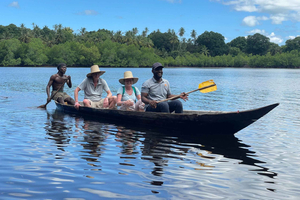
The best time? If you want to catch the Great Migration, late June through October is your window. But honestly, different parks have their own rhythms,Lake Manyara lights up with flamingos nearly year-round, and the Selous Game Reserve offers a peaceful, boat-based safari experience that feels miles away from the crowds.
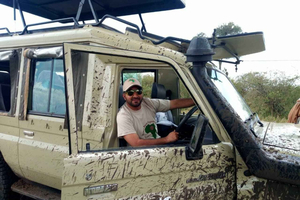
Quick tip: Dawn safaris are where the real action happens before the sun gets blazing. And if you get a chance to chat with local guides about their favorite spots, grab it. They know about secret watering holes and shy cats lurking in the shadows that no guidebook mentions. Tanzania’s wildlife tours aren’t just about ticking animals off a list; it’s about getting close enough to hear the lions' grunt and smell dry earth after a rainstorm.
🌍 Part of the My Guide Network180+ destinations worldwide
If you’re planning your first wildlife tour in Tanzania, here’s a heads-up: the early morning game drives are gold. Animals are way more active before the sun cramps the day. And don’t skip the less famous parks like Ruaha,highlight of my trips for wild encounters without the crowds.
Also, don’t stress about seeing the "big five" right away. Sometimes it’s a tiny mongoose or a shy genet that stays in your memory. Ask guides about spots where locals watch animals after hours,sometimes you get to hear lions roaring under the stars, and that’s something no camera can capture. Packing a decent pair of binoculars makes a big difference, too.
Frequently Asked Questions
Got questions about Tanzania’s wildlife tours? Here are some honest answers.
Most people aim for July to October when the herds cross the Mara River in the Serengeti, but truly the migration moves depending on rains. I’ve seen large groups as early as June near Ndutu. Flexibility helps!
Absolutely. Many lodges and camps cater to families and older guests with comfortable vehicles and slower-paced game drives. Just pick camps with easy access and the right vibe for your group.
Totally. There are plenty of budget campsites and simpler lodges, especially around Tarangire and Manyara. Just be ready for fewer amenities but the same incredible wildlife views.
Light, neutral-colored clothes for blending in, a good hat, sunscreen, binoculars, and a camera with a decent zoom. Evenings can get chilly, so a light jacket helps.
Yes! Parks like Ruaha and Mikumi have great sightings of elephants, predators, and less-visited corners. Tarangire is famous for large elephant populations and large baobab trees. Each park offers a slightly different vibe.
Guides always keep a safe but close distance. Lions might lounge within 10-15 meters, elephants sometimes closer if they’re calm. It’s thrilling, but safety’s key, so trust your guide’s judgment.