If you’ve got a few days to spare, Tanzania offers some of the most rewarding multi-day trips you’ll find anywhere. Think beyond the usual day tour,spend a couple nights under stars that feel like they’re right above you, or hike paths only a handful of people have seen up close.
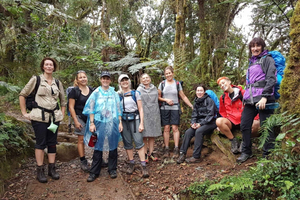
Take the Kilimanjaro trek for example. It’s a tough climb, yes, but the way the landscape changes each day,from thick rainforest at the bottom to lunar rock fields near the summit,is wild and totally worth it. And it’s not just about reaching the top; the time you spend acclimatizing with other hikers and guides is a genuinely memorable part of the experience.
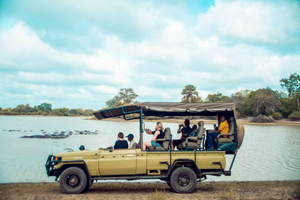
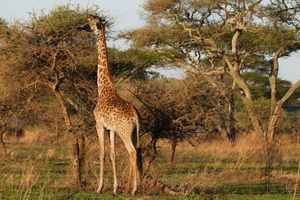
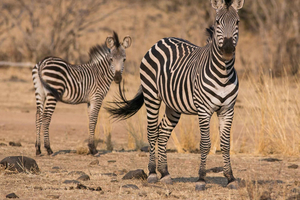
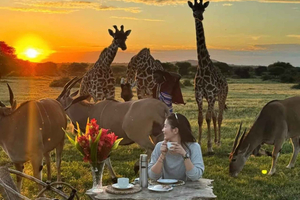
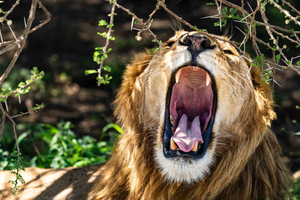
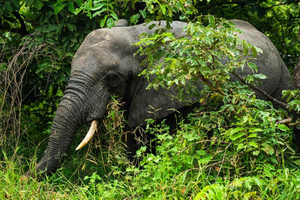
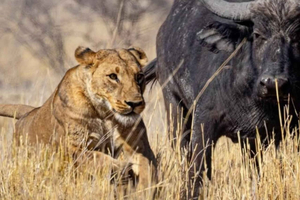
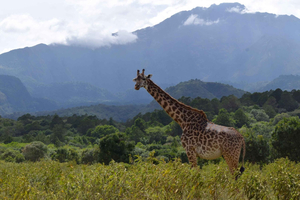
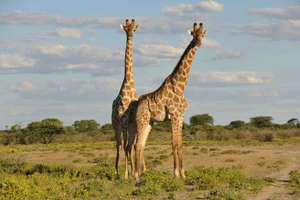
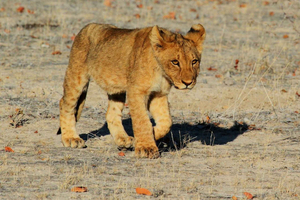
Then there’s the Selous Game Reserve, where a multi-day safari lets you catch more elusive animals and enjoy quieter mornings than the crowded parks around Arusha. You might find yourself camping by the Rufiji River, waking to hippos grunting nearby. That kind of trip isn’t just a checklist but more like stepping into an entirely different rhythm.
Pro tip? The best time to embark on a multi-day excursion often depends on the region. Southern Tanzania can surprise you in the rainy season with lush scenery that's different but beautiful. And pack layers,early mornings and evenings can get surprisingly cold, even near the equator.
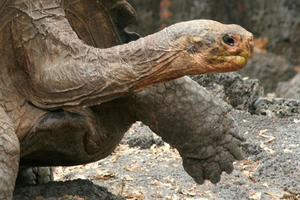
🌍 Part of the My Guide Network180+ destinations worldwide
If you’re eyeing a multi-day excursion in Tanzania, here’s my two cents: booking through a local operator can really change the game. It means better insight into which routes are currently best, plus more chances to support the people who live on the land.
Also, don’t underestimate how much downtime you need on these trips. I once rushed an extra mountain day back-to-back and ended up robbed of energy. Take it slow, sit by the fire, share stories with fellow travelers. That’s what you’ll remember long after the photos fade.
Frequently Asked Questions
Got questions about multi-day trips in Tanzania? Here are some answers from someone who’s been there.
They can be tough but manageable if you prepare properly. The climbs test your stamina and altitude tolerance more than anything else. I’d recommend training with hikes at home and staying well hydrated on the mountain. And pace yourself,most guides know how to help you take it slow.
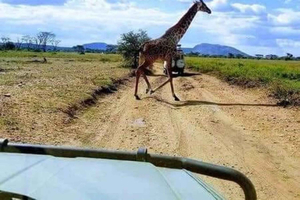
It’s a different pace than a one-day trip. You’ll wake early, follow animal tracks, then rest during the heat of the day in camp or a lodge. It’s less about ticking species off a list and more about soaking in the environment. Nights by the campfire, with the sounds of the bush around you, are unforgettable.
Absolutely, Tanzania is pretty welcoming to solo travelers, especially with guided tours. Just choose reputable operators and keep an eye on your stuff. I’ve seen solo travelers make friends easily on group treks,sometimes that’s part of the fun.
Dry seasons,late June to October and January to February,are usually best for trekking and safaris since roads and trails are easier to navigate. But rainy season has its perks too: fewer tourists and greener landscapes. Just be ready for mud and some disrupted schedules.
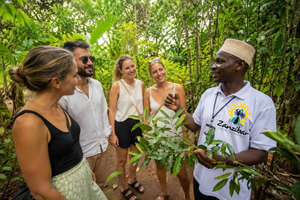
Definitely! Many tours will let you add a day or two visiting Maasai villages or local markets near Arusha or in the northern circuit. It’s a nice way to balance nature with culture, and meeting locals adds a whole new layer to the trip.
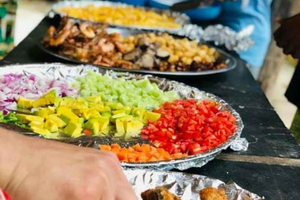
Bring good insect repellent, a warm sleeping bag, and comfortable clothes that layer well. Evenings get cold, and mosquitos can be relentless. Most camps provide tents and meals, but check what’s included before you go so you don’t overpack.