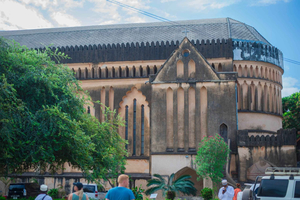
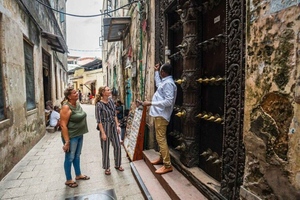
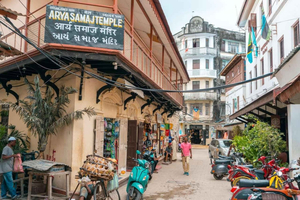
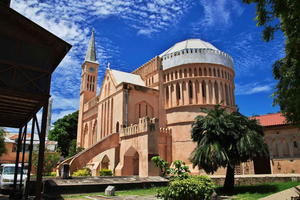
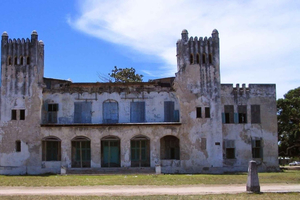
Tanzania isn’t just about wildlife and stunning landscapes; it’s got layers of history you can literally walk through. Take a stroll around Stone Town in Zanzibar, for example, and you’ll find yourself wandering streets lined with centuries-old coral stone buildings and wooden doors carved with intricate Arab designs. It’s full of stories about trade, colonial history, and cultural mix that shaped the region.
Then there’s the Kondoa Rock-Art Site in central Tanzania , rarely crowded and often overlooked by travelers. The ancient paintings there date back thousands of years and give you a glimpse into early human life here. Planning a visit during the dry season helps, as roads can get tricky after the rains.
If you’re around Bagamoyo, don’t miss the old slave trade forts and churches,they’re raw reminders of a turbulent past but absolutely important to understand. A quick tip? Hire a local guide; they’ll share stories you won’t find in a guidebook and add color to the sites. Heritage here isn’t just bricks and stones, it’s the life, struggle, and spirit of the people who lived it.
🌍 Part of the My Guide Network180+ destinations worldwide
If you’re heading to Stone Town, don’t just stick to the main tourist streets. Wander into the quieter neighborhoods around Malindi and Shangani,you’ll find less crowded alleys filled with fascinating architecture and locals happy to chat. And if you decide on Kondoa, plan for a guide who can drive you there,it’s not easy to find your way without local knowledge.
Also, mornings are best for heritage site visits. The sites feel calmer and cooler, making the experience much more enjoyable. Lastly, pack some sunscreen and a hat; shade can be sparse at many outdoor sites.
Frequently Asked Questions
Here are some common questions about visiting Tanzania's heritage sites.
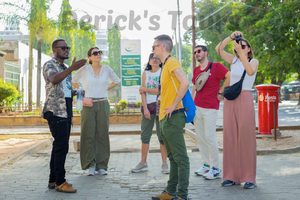
I’d definitely recommend hiring a guide, especially at spots like Stone Town or Bagamoyo. They know the stories behind the sites and can point out details you might miss on your own.
Try to go during the dry months, usually June to October. Roads, particularly around Kondoa and northern areas, can get muddy and difficult during the rainy season.
Most heritage sites like Stone Town are open to the public without special permits. However, places like the Kondoa Rock-Art Site sometimes have restrictions, so it’s good to check ahead or visit with a local tour operator.
Absolutely. In Zanzibar’s Stone Town, you’ll find locals still practicing crafts passed down generations, like traditional dhow building and spice trading, giving you a vivid taste of cultural continuity.
It depends on the site. Stone Town deserves at least a half-day, maybe a whole day if you’re into history. Kondoa’s rock art could take a few hours plus travel time, so plan accordingly.
Most are! Stone Town, in particular, is stroller-friendly. Kondoa might be trickier for little kids because of terrain. Bringing some snacks and water always helps,some spots are quite remote.