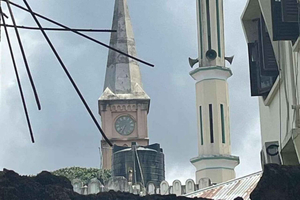
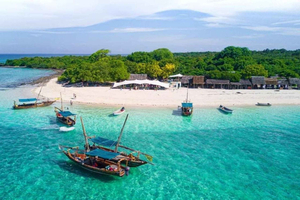
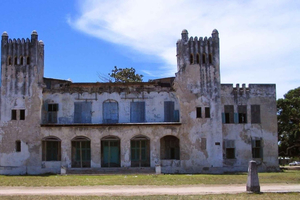
Tanzania isn’t just about wildlife and beaches. The historical landmarks scattered across the country tell stories you won’t find in any textbook. Take Bagamoyo for instance. Once a trade hub and a busy gateway for the slave trade, walking through its old town feels like stepping back in time. The old customs house and church ruins whisper tales you barely hear about on safari circuits.
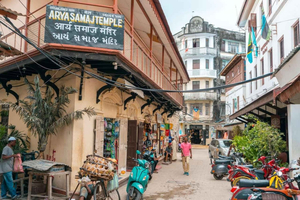
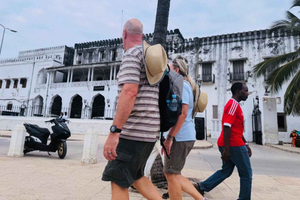
Stone Town in Zanzibar is a must-see if you want that authentic historical experience. The narrow alleys, carved wooden doors, and ancient forts show a blend of Arab, Persian, Indian, and European influences. But what surprises many first-timers is just how alive it still feels - locals chatting, kids playing cricket in the lanes, and the faint scents of spices wafting through the air.
If you’re headed inland, the ruins of Kilwa Kisiwani stand out. These Swahili stone ruins date back to the 10th century and tell a story of a rich trading empire that thrived on the Indian Ocean coast. I’d recommend starting early to enjoy the quiet and the golden morning light on the coral stone buildings. Also, don’t miss the chance to chat with local guides,they often share stories passed down generations that don’t make it into guidebooks. So yes, while the wildlife steals the spotlight in Tanzania, its historical landmarks quietly hold chapters of a complex past just waiting for you to find them.
🌍 Part of the My Guide Network180+ destinations worldwide
If you’re heading to Stone Town, try to arrive just before sunset to catch the soft glow on the old city walls. It’s when the place really breathes, with fishermen coming in and street vendors setting up for the evening. Also, when visiting Kilwa Kisiwani, make sure to bring cash as there are no ATMs nearby and the island feels quite remote. If time allows, spend the night in a simple lodge to enjoy the peaceful vibe after the day-trippers leave.
One last thing: when visiting any historical site, a bit of curiosity goes a long way. Don’t hesitate to chat with locals; some of their stories reveal the real past behind the stones and ruins better than any plaque or sign could.
Frequently Asked Questions
Here are some common questions about Tanzania’s historical landmarks to help you plan better.
Definitely! Many sites like Bagamoyo and Stone Town have affordable entry fees or even free areas to explore. Plus, walking tours led by local guides are often cheap and offer fantastic insights. Just remember to carry water and wear comfortable shoes,you'll be on your feet a lot.
For the most part, yes. Places like Stone Town and Kilwa are safe during the day, but it’s best to avoid wandering late at night, especially alone. Hiring a local guide not only boosts your safety but also enriches the experience with stories only a local would know.
Not always. Many sites let you explore independently. However, for places like Kilwa Kisiwani, reaching there can be tricky without a tour, so booking ahead helps with logistics. In peak season, guides in Stone Town might get booked up, so a heads-up helps.
Absolutely. For example, after visiting Bagamoyo’s historical spots, you can relax on nearby beaches or explore local art shops. In Zanzibar, your trip to Stone Town can easily include a spice tour or a dhow sunset cruise, mixing history with culture and leisure.
Oh yes! I’m a fan of the Marangu Cave huts on Kilimanjaro’s slopes,older than you’d think and giving real insight into the Chagga people’s history. And the Mtoni Palace ruins near Stone Town are quieter but fascinating if you want peace away from crowds.