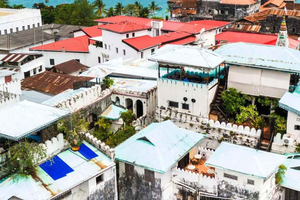
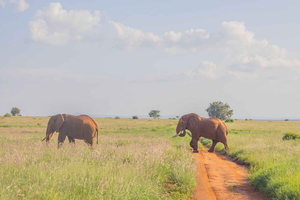
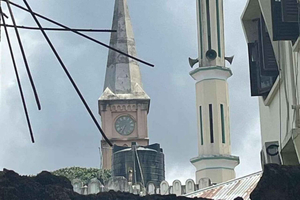
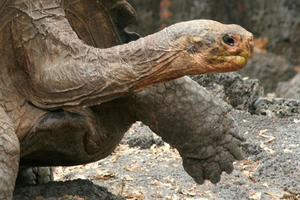
Tanzania has landmarks that tell stories far older than most places. From the ancient Baobabs around Tarangire to the solemn yet stirring sites in Stone Town, each spot carries its own unique vibe. If you find yourself in Arusha, don’t just glance at the clock tower, take a moment to chat with a local vendor nearby about its history,they’ve got stories you won’t find in any guidebook.
And while Mount Kilimanjaro’s summit often steals the show, the Kilimanjaro Coffee Plantation tour is a quiet gem that I recommend. Walking through rows of shade-grown coffee plants while breathing in fresh mountain air is an entirely different kind of landmark experience. Visiting in the dry season (June to October) will give you clearer skies for sightseeing. Just a heads up, some of the smaller heritage sites around Bagamoyo require permission before visiting, so it’s good to ask locally or through your tour operator.
If you want that blend of nature and history, the ruins of Kilwa Kisiwani are something to pencil in. They’re not as flashy as the Serengeti but pack a huge amount of East African history into crumbling coral stone walls. My advice? Bring your own water and a hat, the coastal sun is relentless. These landmark tours in Tanzania will paint a fuller picture of the country beyond the safaris and beaches.
🌍 Part of the My Guide Network180+ destinations worldwide
If you’re heading to Stone Town in Zanzibar, skip the main crowds and ask your guide to take you to the old slave chambers near the Anglican Cathedral. It’s a small spot but powerful and often overlooked by bigger tours. Also, try to visit early morning or late afternoon when the light hits the coral buildings just right – it changes everything.
One more thing: always carry cash for small entrance fees or tips, especially in rural areas around historical sites like Bagamoyo. Many places don’t take cards, and it’s a nice way to support the local guides helping to keep these places alive.
Frequently Asked Questions
Got questions about landmark tours in Tanzania? Here’s some honest answers.
Absolutely, but it depends on the site. Places like the Ngorongoro Crater lookout offer easy access and big views that kids love. On the other hand, ruins like Kilwa Kisiwani might be tricky if your little ones get restless since there’s walking on uneven ground. Bringing snacks and planning breaks helps a lot.
Dry season, between June and October, is usually best. Not just because the weather is easier, but the roads to more remote landmarks are more accessible then. That said, the coastal sites like Stone Town can be visited almost year-round, just watch out for the short rains in April and May.
Not always. Some places, like the Olduvai Gorge Museum, have excellent info on site and allow self-guided tours. But I’d recommend a guide for places with less signage or historical context, like the Kiswahili ruins at Bagamoyo. Local guides tend to share stories you wouldn’t hear otherwise.
It depends where you go. Kilimanjaro’s base areas get busy with trekkers, but most historical spots,say, the ruins by Bagamoyo or the coffee plantations,see far fewer tourists. If you want to avoid crowds, go early in the day or visit less well-known landmarks.
Definitely! Many travelers mix a day or two of landmark visits with safaris in Serengeti or Tarangire. Arusha is a good base for that combo,you can visit cultural spots in town and then head out to the parks. Just plan to have a reliable driver as the distances can be long.
Super important. Local guides not only bring the stories to life but help communities benefit from tourism. Plus, they know all the best spots and safety tips,like where to avoid getting too close to wildlife or which ruins are fragile. I always suggest tipping well.