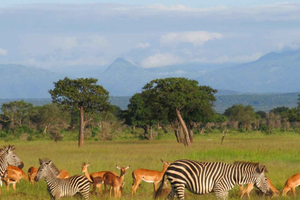
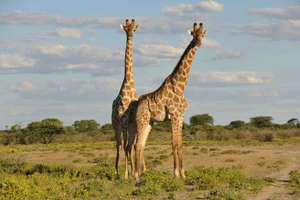
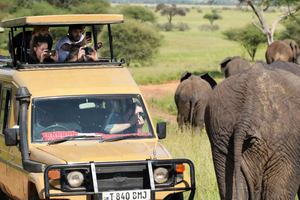
If you’ve got Tanzania on your mind for a safari, you’re in for a treat. The country’s not just about the big five; it’s those quiet moments when you spot a lone leopard slipping through tall grass near Seronera or catch the sunset over the Ngorongoro Crater that stick with you. And don’t be surprised if a flock of flamingos pink up Lake Manyara’s shore just as you settle in for lunch.
I lived around Arusha for years and one thing I learned: timing matters. The dry season, especially June to October, is prime for wildlife spotting since animals gather near waterholes. But the short rains in November and December bring newborn animals and wildflowers that change the savannah’s mood. When booking a nature tour, ask your guide about their favorite spots off the beaten path,places like the lesser-known Mkomazi National Park can surprise you.
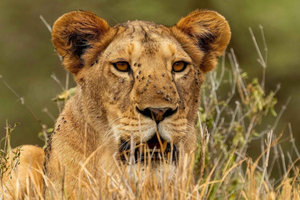
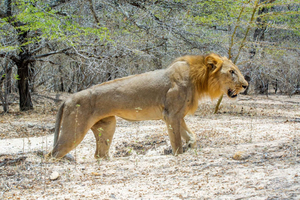
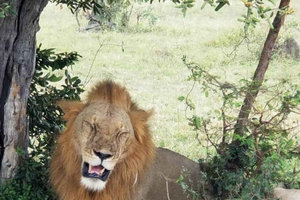
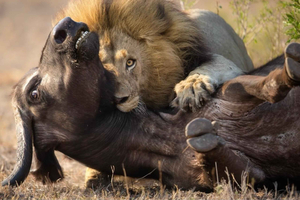
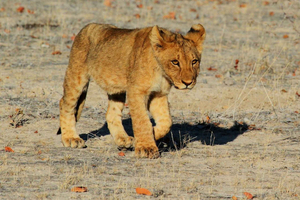
Pro tip: pack a good pair of binoculars and a camera with a decent zoom. You’ll want to catch those details Lions don’t always reveal up close. Also, don’t rush through Serengeti’s endless plains; slow mornings often mean exciting predator action. Tanzania’s safaris aren’t just about seeing animals; it’s about feeling the rhythm of the land around you.
🌍 Part of the My Guide Network180+ destinations worldwide
If you’re wondering how to choose your safari, skip the temptation to cram it all in during a few days. Spend extra time in fewer places and you’ll see more. For instance, the Serengeti is enormous,focusing on the central area around Seronera gives you a better chance to catch predator hunts.
Also, talk to your guide about visiting the less crowded parks like Mkomazi or Mahale Mountains if you want a different flavor of Tanzania’s wild. And don’t forget to wake up early. The best sightings usually happen just after dawn, before the heat drives animals into hiding.
Frequently Asked Questions
Got questions about safari and nature tours in Tanzania? Here are some answers from my experience.
Most folks swear by the dry season from June to October because animals cluster around water, making sightings easier. But honestly, the short rains in November or December bring a fresh vibe with baby animals and fewer tourists. I like going just before the heavy rains,less crowded but still plenty to see.
Not much beyond comfortable clothes in neutral tones, a good pair of binoculars, and sunscreen. You’ll want a decent zoom camera too, but don’t stress about fancy equipment. And trust me,an early morning cup of Tanzanian coffee makes all the difference before you head out to catch wildlife.
Having a guide completely changes the experience. They know where animals hide, when to stop, and have stories that bring the landscape alive. I’ve seen half the park overlooked by visitors without guides. Plus, local guides know how to stay safe around wildlife, so it’s not just a luxury,it’s smart.
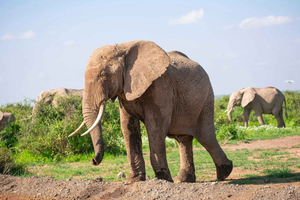
Serengeti and Ngorongoro Crater are your best bets for lions, elephants, buffalo, leopards, and rhinos all in one trip. That said, places like Tarangire offer huge elephant herds and fewer crowds, so don’t ignore those spots if you like a bit of off-maintrack adventure.
Night safaris aren’t available everywhere, but in places like Tarangire you can get a unique glimpse of nocturnal animals. It’s safe as long as you stick with a guide and the right vehicle. I’ve found these tours offer some of the quietest, most magical wildlife moments,you see creatures active when the sun sets.