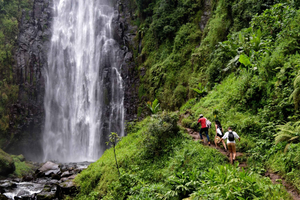
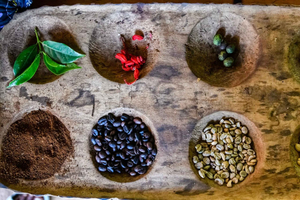
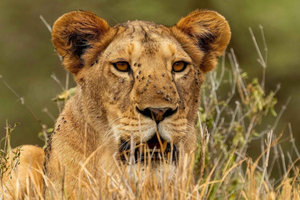
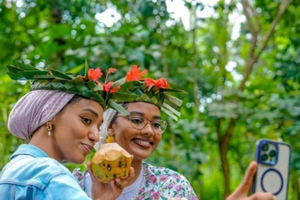
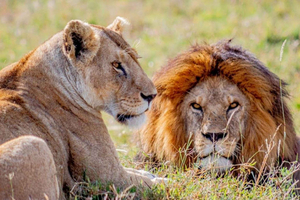
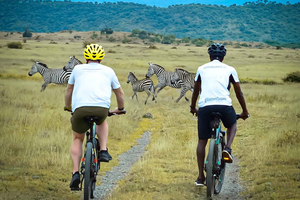
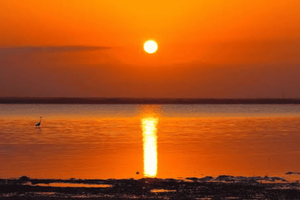
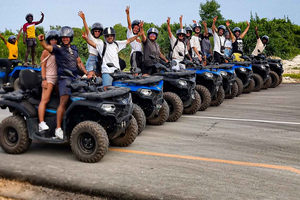
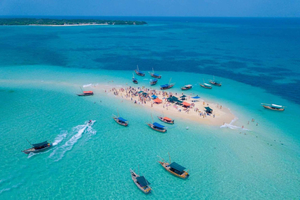
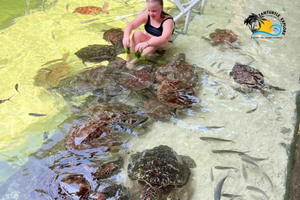
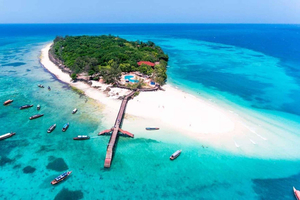
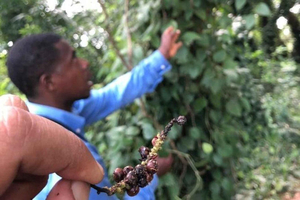
Tanzania isn’t just about safari parks and big game, though those are incredible. Living here, I’ve learned to appreciate how much variety you can pack into a trip. Ever thought about ending a day in Dar es Salaam with fresh seafood at Kipepeo Beach or catching the sunset over the Indian Ocean? Or wandering the bustling Kariakoo market to pick up spices and handmade crafts? And of course, there’s hiking Kilimanjaro if you’re up for a serious challenge, but also smaller treks like the trail through the Usambara Mountains that locals swear by.
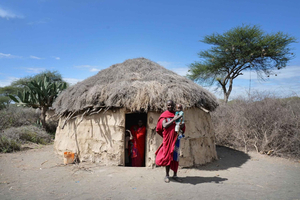
If you want to see wildlife but want a slower pace, boat trips on Lake Victoria or the Rufiji River offer quiet ways to spot hippos and birds without the crowds. Cultural experiences can be really rewarding too – think visiting a Masai village near Arusha where you can learn firsthand about their traditional way of life. My tip? Plan your outdoor adventures for early mornings or late afternoons to avoid the midday heat, especially if you’re out in places like Tarangire or Selous. Tanzania’s diversity means you could be trekking in the highlands one day and swimming in Zanzibar the next. It’s that mix that keeps people coming back.
🌍 Part of the My Guide Network180+ destinations worldwide
If you have a free afternoon in Dar es Salaam, don’t miss the chance to stroll through Coco Beach at sunset. It’s a local hangout where families gather and street food vendors fire up grills selling fresh mishkaki (grilled meat skewers). Afterward, head to the Slipway area for a relaxed drink by the water.
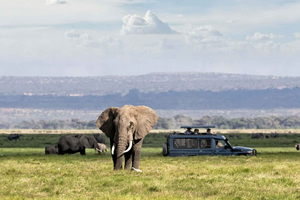
Planning to safari? Try to book a midday break back at camp or lodge instead of being out all day,Tanzanian heat can zap your energy faster than you expect. And if you want a genuine cultural exchange, visit a local market early morning when vendors are setting up. I recommend Kariakoo in Dar for an authentic glimpse of city life,it’s chaotic, noisy, and totally alive in a way you won’t find in tour books.
Frequently Asked Questions
Got questions about what to do in Tanzania? Here’s what I often get asked.
Most locals and frequent travelers prefer the dry season, from late June to October. It’s fantastic for safaris since animals gather around waterholes. But honestly, the short rainy season in November and December can be quieter and still good if you don’t mind occasional showers.
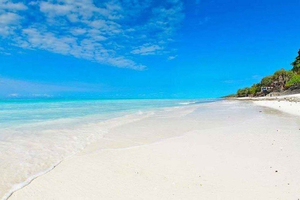
Absolutely. Aside from safaris, kids usually love the beaches on Zanzibar or Pangani, where the water’s calm and warm. Visiting the Ngorongoro Crater is also great – the landscape is stunning and there’s wildlife to spot that’s easier to see from the crater’s rim.
Yes, but with some common sense. Stick to well-known neighborhoods like Oyster Bay or slip into local markets during the day. I’d avoid wandering alone after dark and always keep an eye on your belongings.
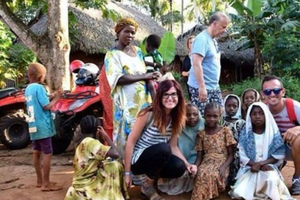
Spending time with the Masai or Hadzabe tribes offers real insight into traditional lifestyles that haven’t changed much over centuries. Also, check out local festivals if your timing’s right,like the Mwaka Kogwa in Zanzibar, which is full of music, dance, and storytelling.
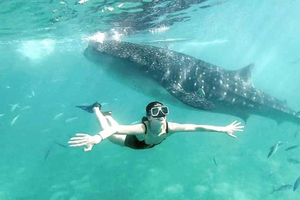
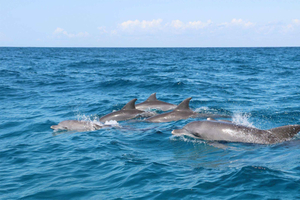
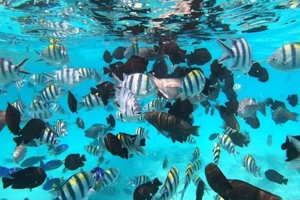
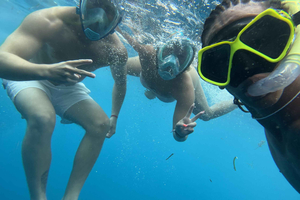
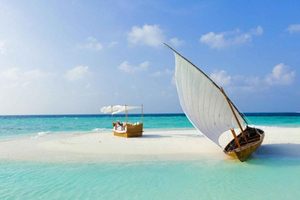
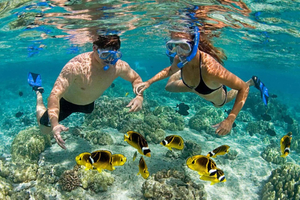
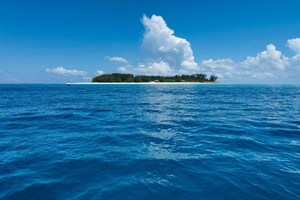
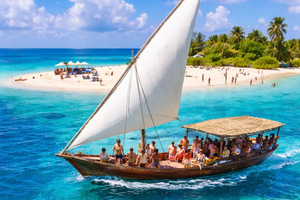
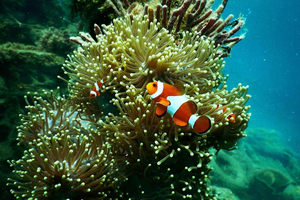
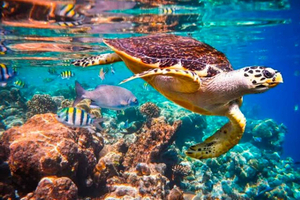
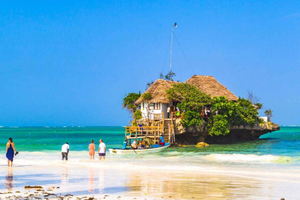
Definitely. Kayaking around the mangroves in Pemba Island or snorkeling near Mnemba Atoll are top-notch. On the mainland, fishing trips out of Bukoba or scenic dhow cruises along the coast are fantastic alternatives if you want to stay on or near the water.
For sure. The Usambara Mountains in the northeast offer gentler hikes with lush forests and small villages. The Udzungwa Mountains are popular too if you want a little adventure but not the altitude of Kili.