Maasai Boma Homestay-Lake Natron
Tanzania
At a glance
Maasai Boma Homestay-Lake Natron offers a unique opportunity to experience the authentic cultural life of the Maasai people in Tanzania. Nestled near Lake Natron, at the foot of the majestic Ol Doinyo Lengai, this homestay is designed for those who wish to delve deeply into the traditions and daily activities of one of Africa's iconic communities. Guests have the rare chance to stay in a genuine Maasai boma, living alongside the Maasai family and sharing in their daily routines.
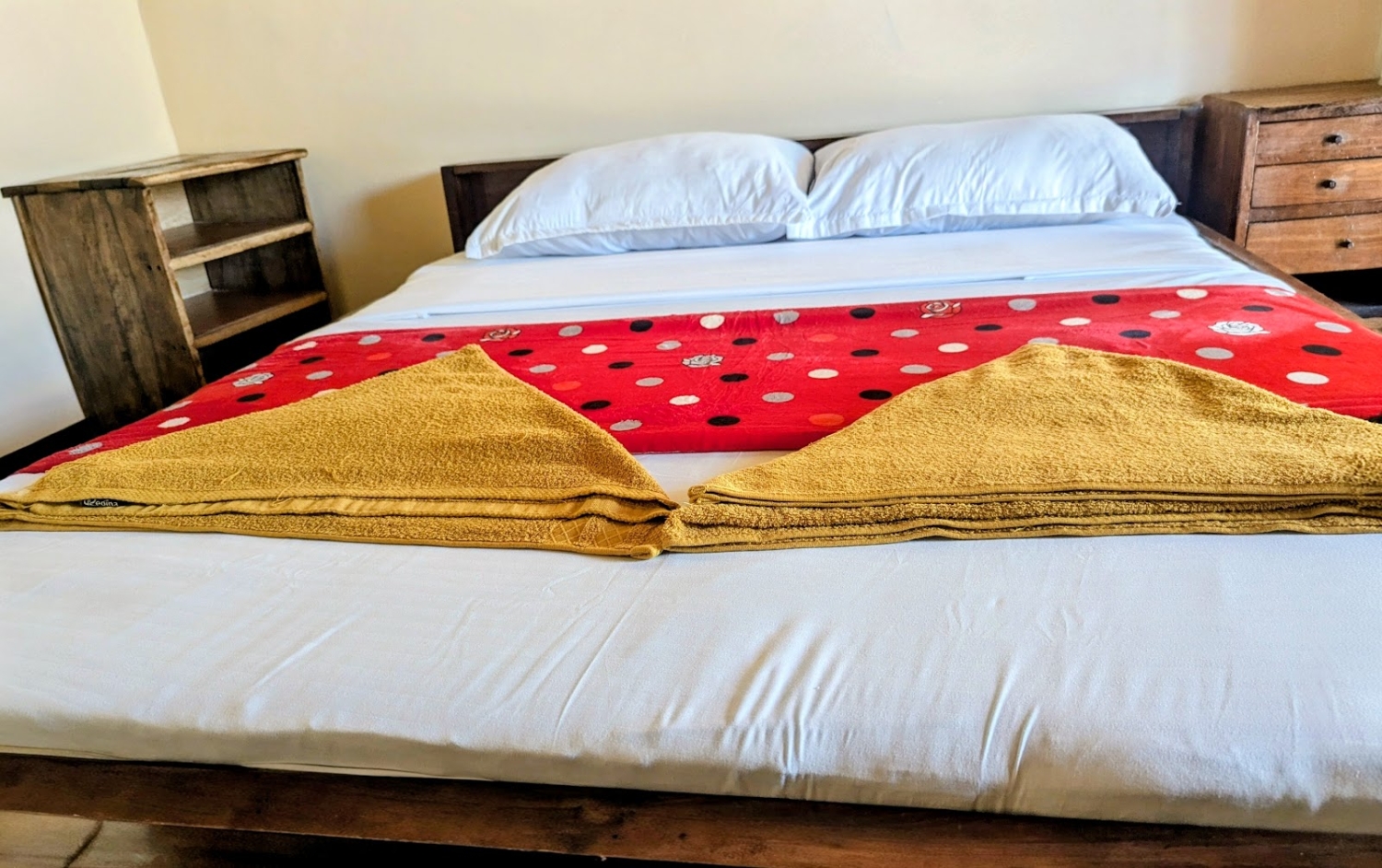
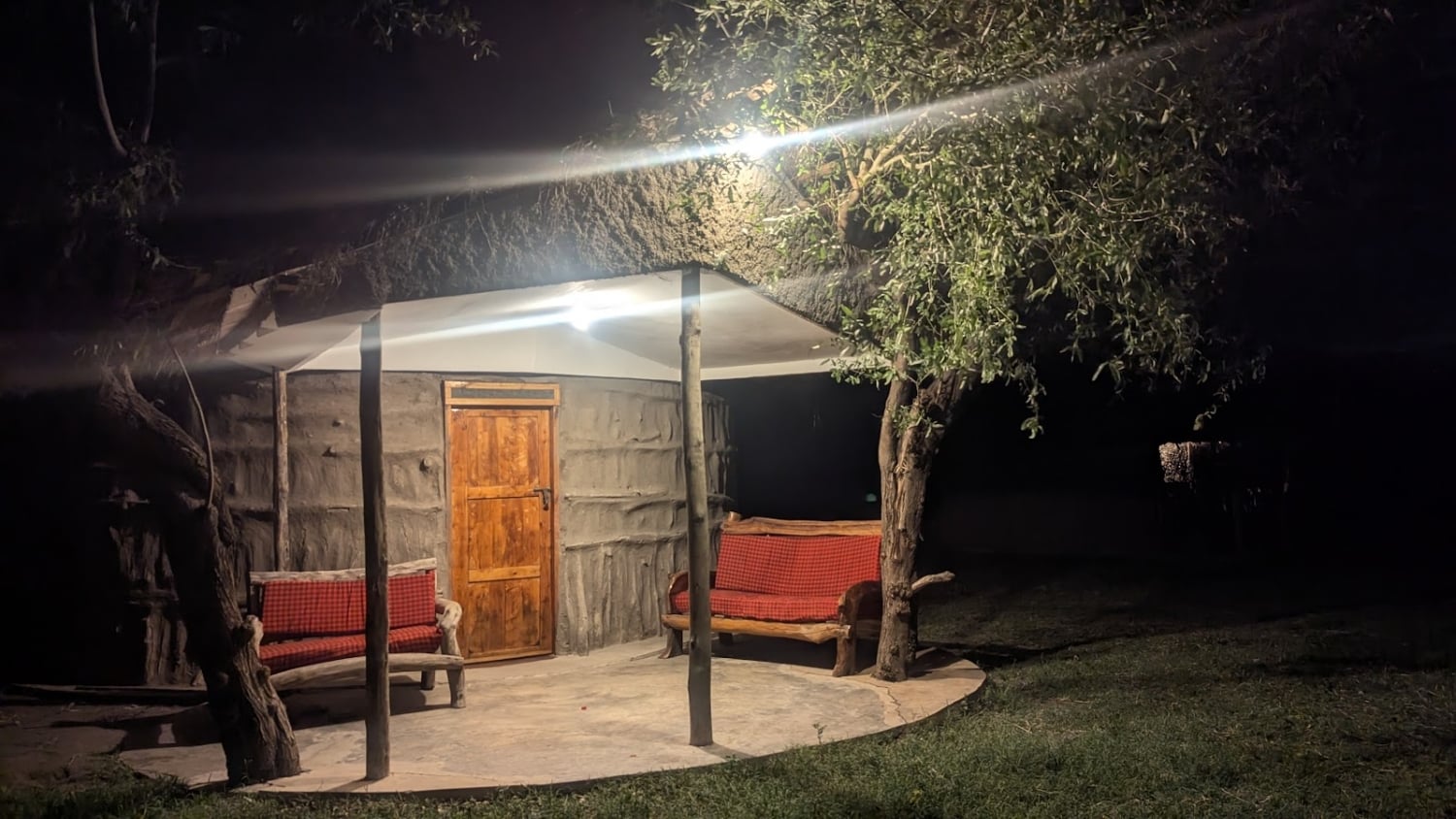
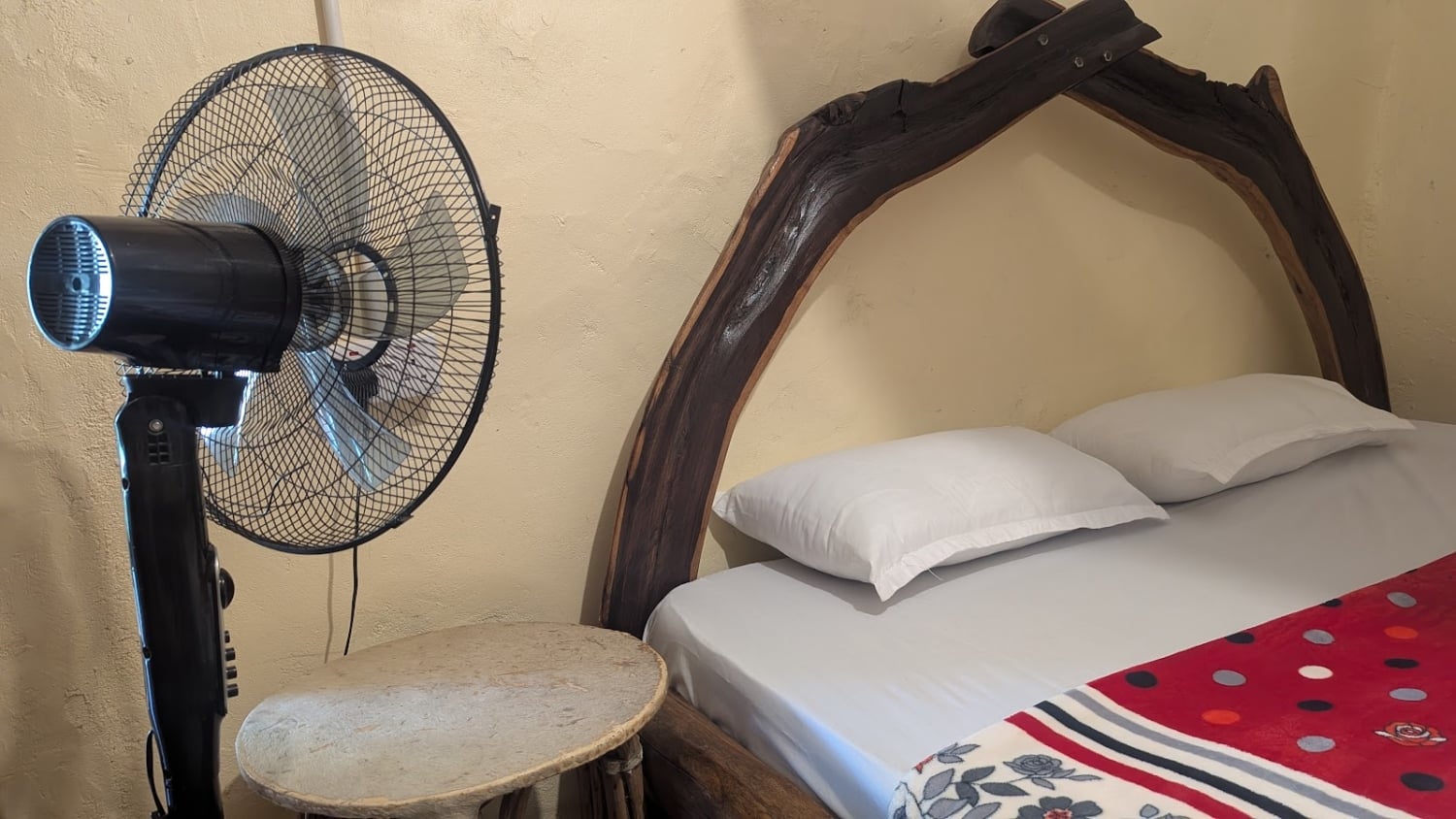
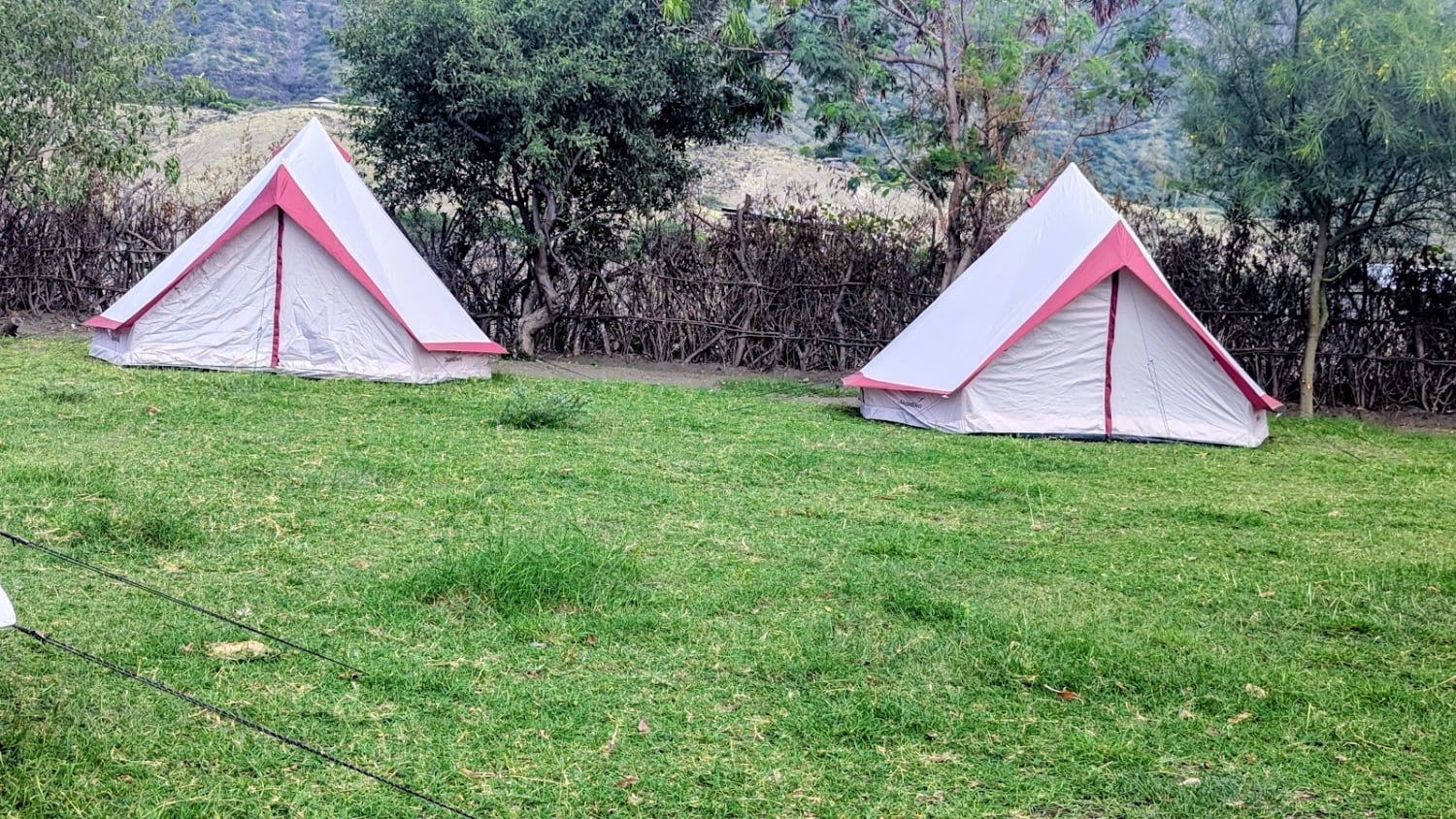
The accommodation provides simple yet comfortable settings, featuring a traditional hut that includes a king-sized bed, a private shower, and Western-style toilet facilities. From the homestay, guests are treated to stunning views of the Great Rift Valley, enhancing the overall experience with breathtaking natural beauty. This setting offers a backdrop of dramatic landscapes, near Ol Doinyo Lengai and Mount Gelai, serving as an ideal spot for cultural and natural exploration.
Throughout their stay, guests participate in immersive cultural activities that genuinely reflect the Maasai way of life. These include milking cows at sunrise, learning traditional cooking methods with Maasai women, and enjoying freshly prepared chai made from milk sourced directly from the family’s cattle. The homestay is designed not just as a place to stay but as a place to live the Maasai's way of life, offering meaningful engagement rather than staged performances.
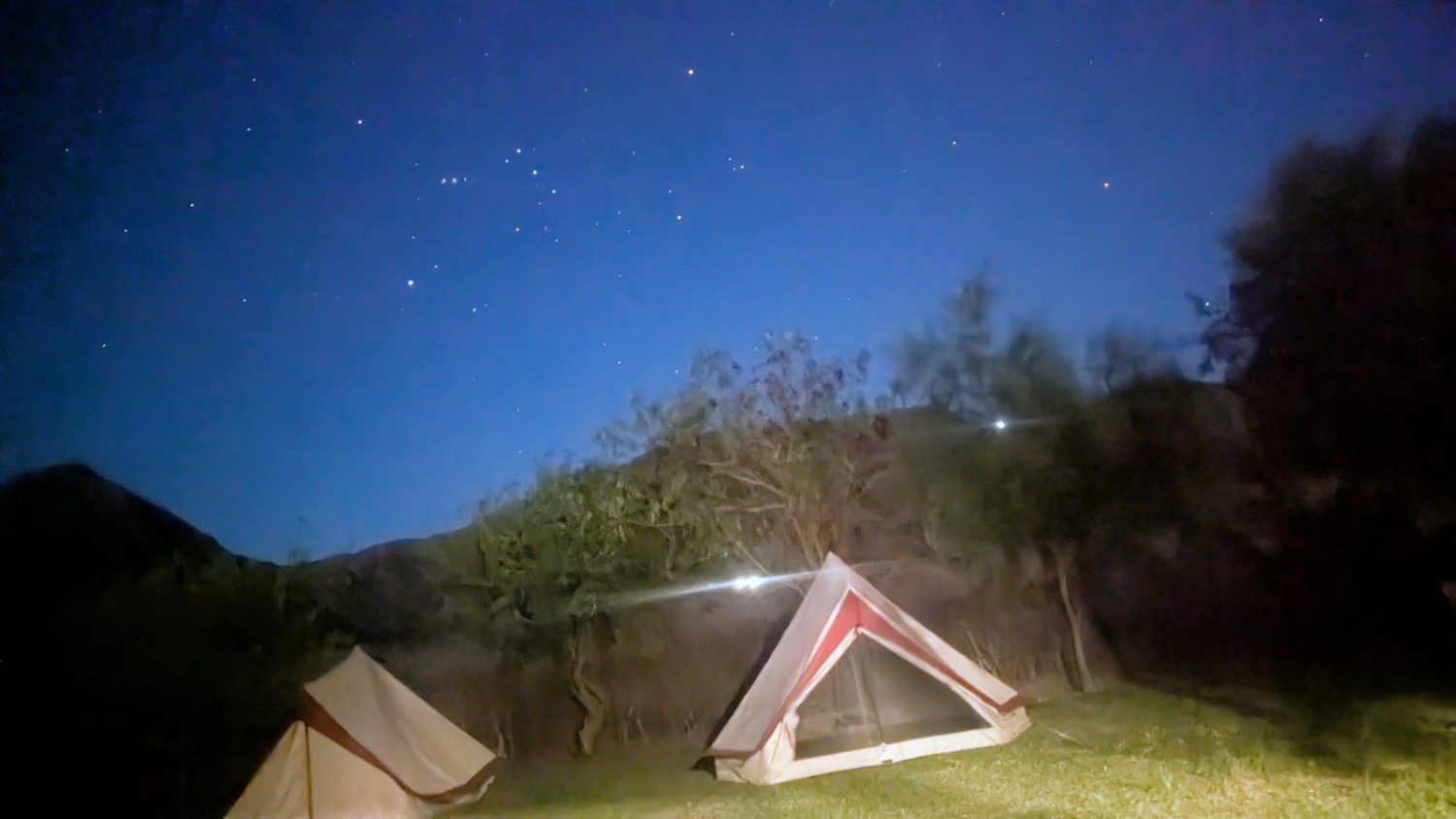
Evenings at the homestay are filled with rich tradition and community spirit. Visitors can join the Maasai around a campfire, sharing stories, participating in traditional dances known for their rhythmic jumping and powerful chants, and optionally experiencing a Maasai barbecue prepared over an open fire. This open exchange enhances understanding and respect for the Maasai cultural heritage.
The Maasai Boma Homestay-Lake Natron is suited for cultural explorers, travelers, and researchers who wish to form genuine connections with the Maasai community. It provides a rare opportunity to understand and appreciate the richness of Maasai culture, set against the backdrop of Tanzania’s captivating landscapes.